An educational resource dedicated to understanding how vegetables, fruits, herbs, and spices contribute to a balanced diet and overall wellness.
Educational content only. No promises of outcomes.
Learn More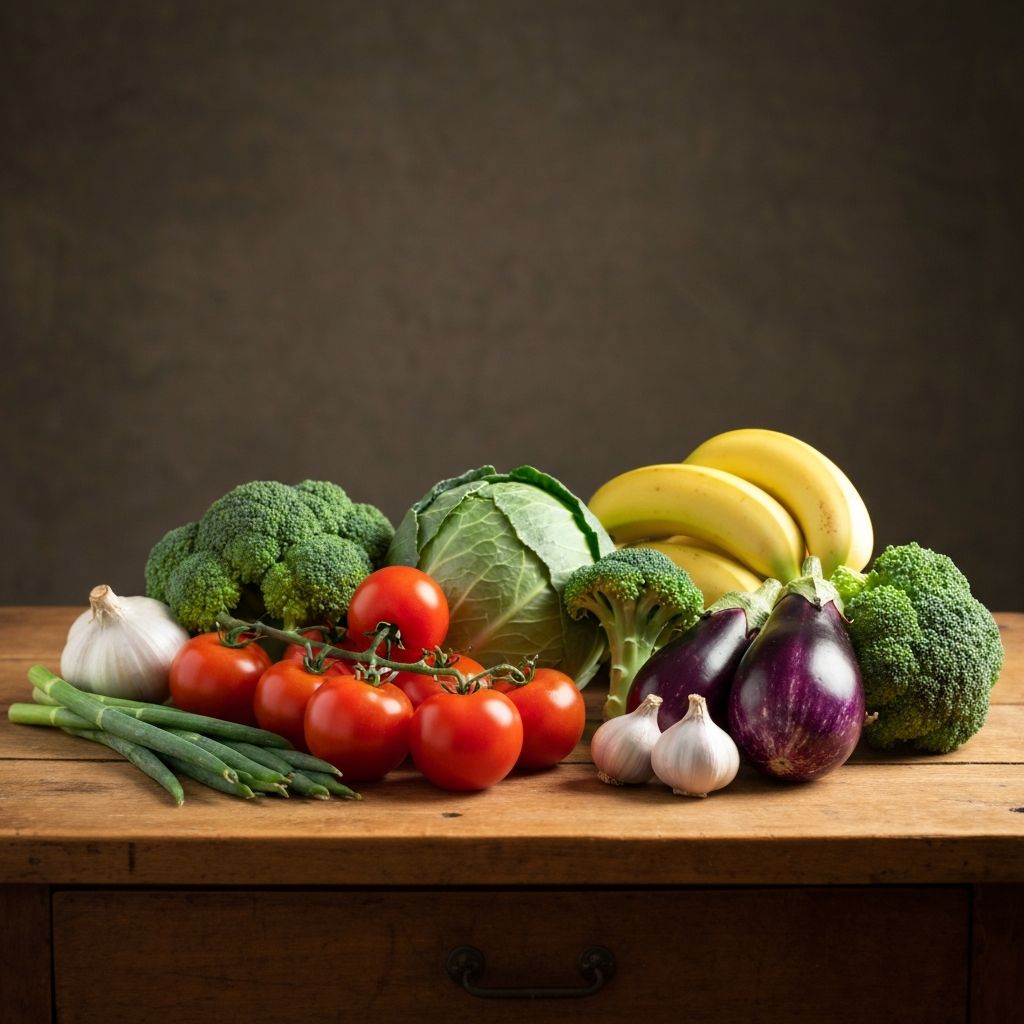
Understanding the role of whole foods in daily nutrition
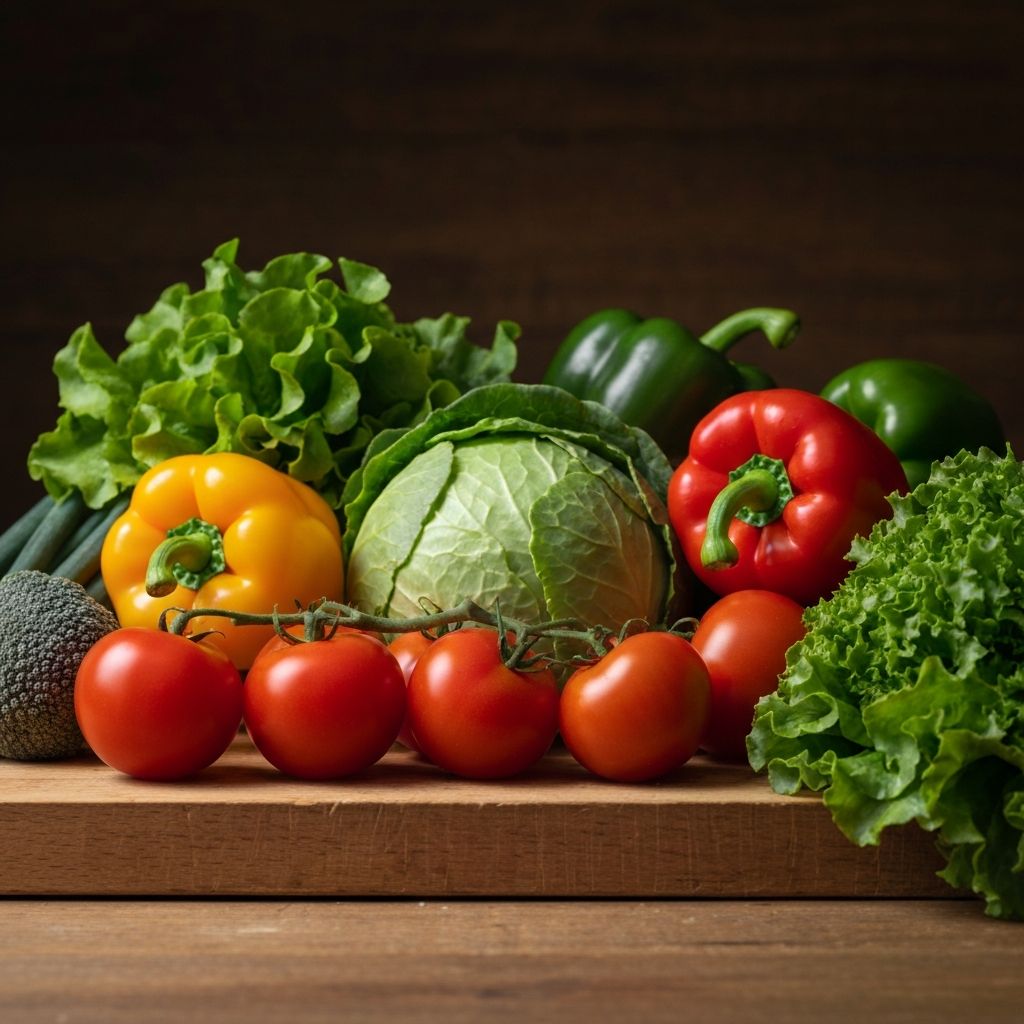
Vegetables form the foundation of balanced eating patterns. Leafy greens, cruciferous vegetables, and root vegetables provide various nutrients that are part of everyday nutrition.
Common examples include spinach, kale, broccoli, carrots, and bell peppers. These foods are often incorporated into meals across different cultures and dietary approaches.
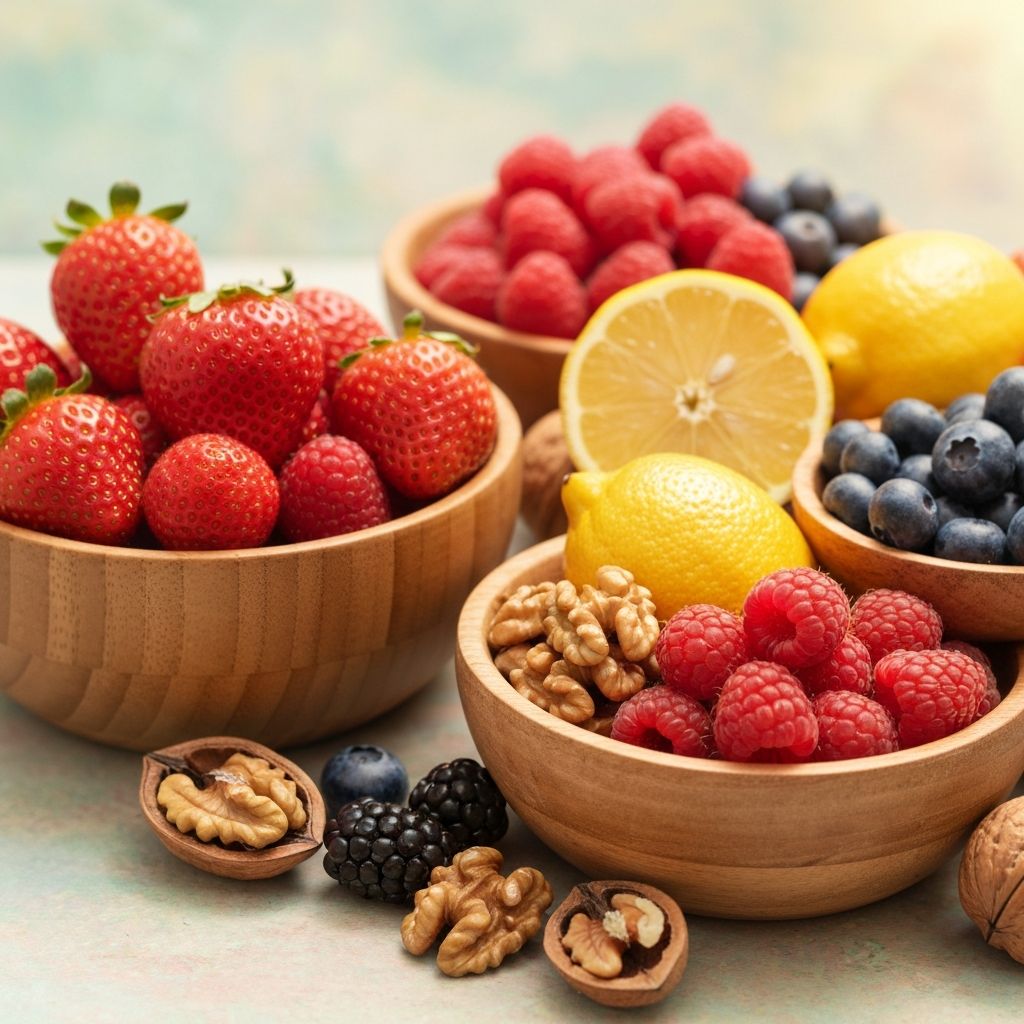
Fruits provide natural variety to eating patterns. Citrus fruits, berries, tropical fruits, and stone fruits each have distinct nutritional profiles.
Examples include oranges, apples, blueberries, strawberries, and bananas. These can be consumed fresh, dried, or as part of prepared dishes.
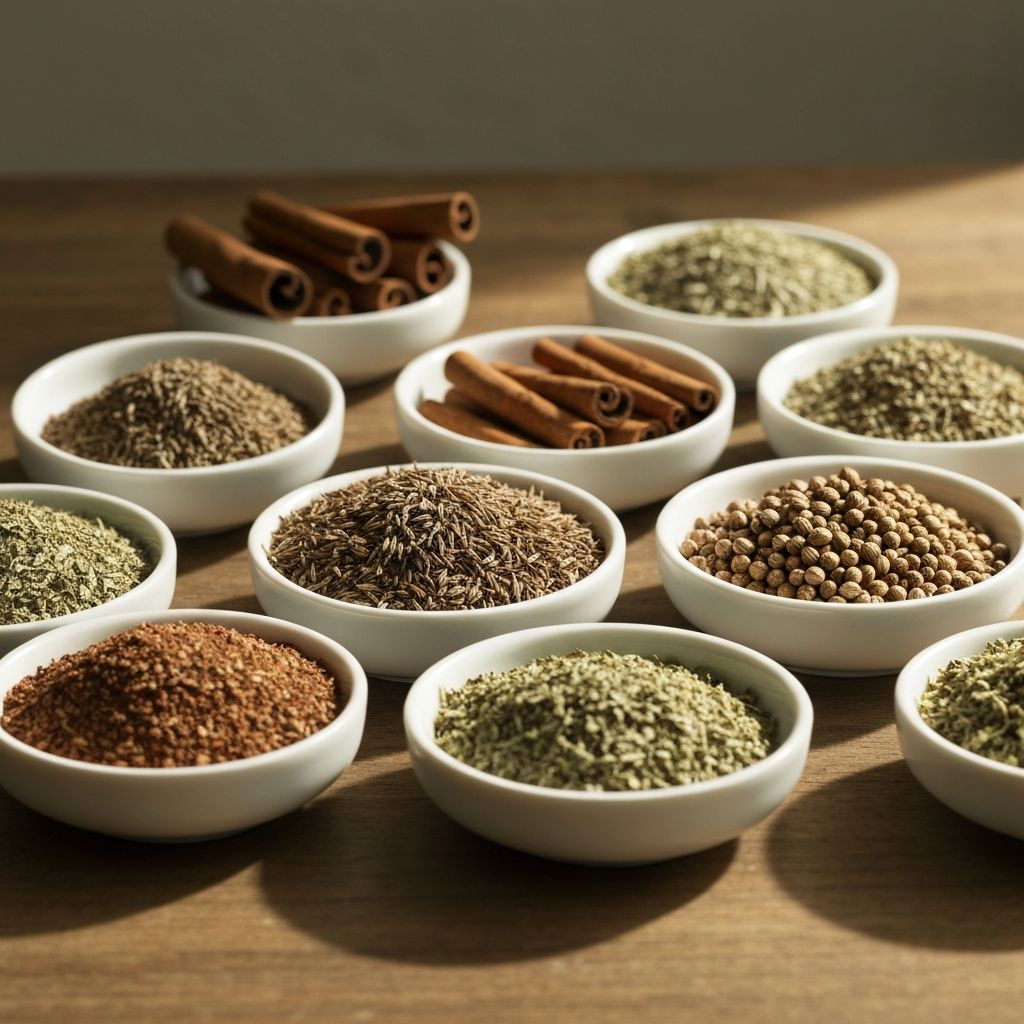
Herbs and spices have been used in culinary traditions worldwide. They add flavor and aroma to food preparation.
Common examples include basil, oregano, turmeric, ginger, cinnamon, and garlic. These ingredients are components of various cooking styles and recipes.
Examining how plant-based foods fit into dietary patterns
Plant-based foods have been central to human diets throughout history. They contain various compounds including vitamins, minerals, fiber, and phytonutrients.
Nutritional science continues to examine how these components interact with human physiology. Different dietary patterns emphasize plants to varying degrees.
A closer look at specific produce categories
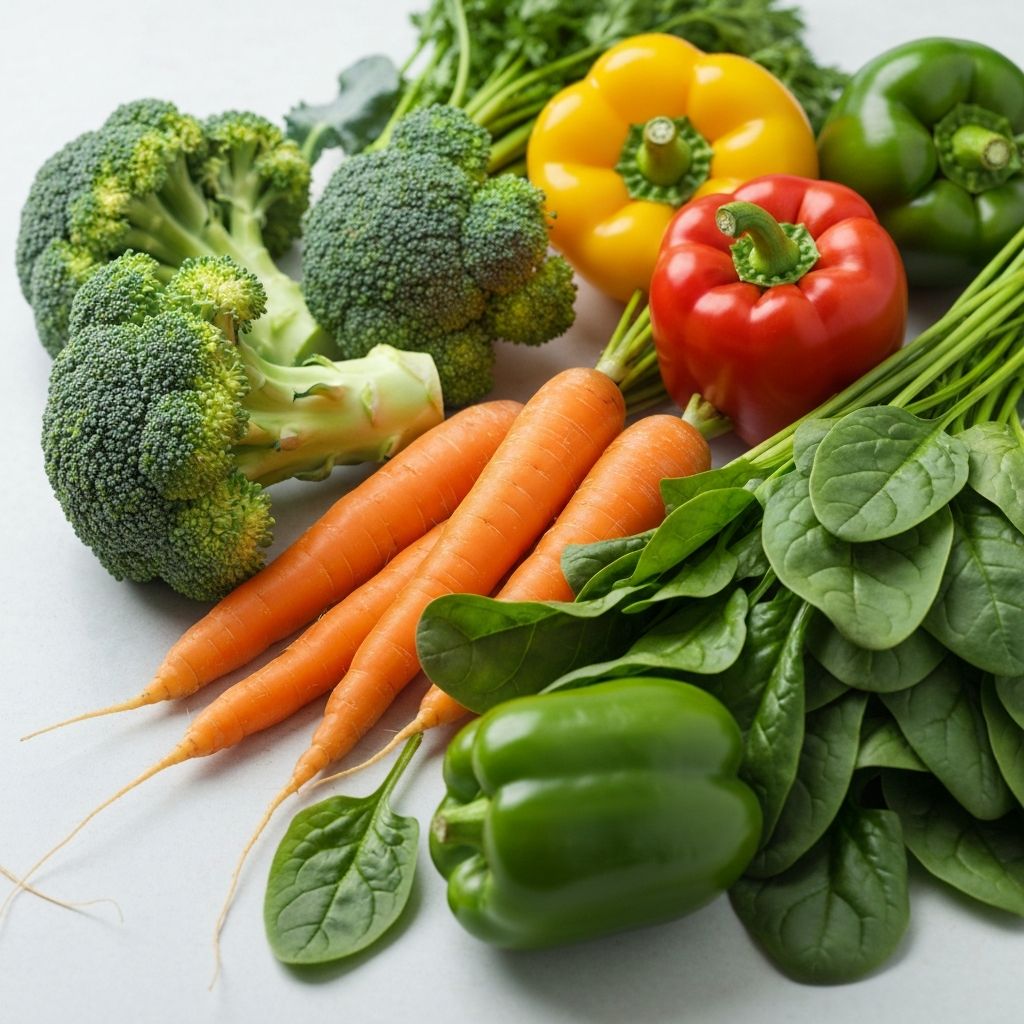
Broccoli, cauliflower, Brussels sprouts, and cabbage belong to this family. They are widely studied in nutrition research and commonly recommended by nutritionists as part of varied diets.
These vegetables can be prepared in multiple ways including steaming, roasting, or eating raw.
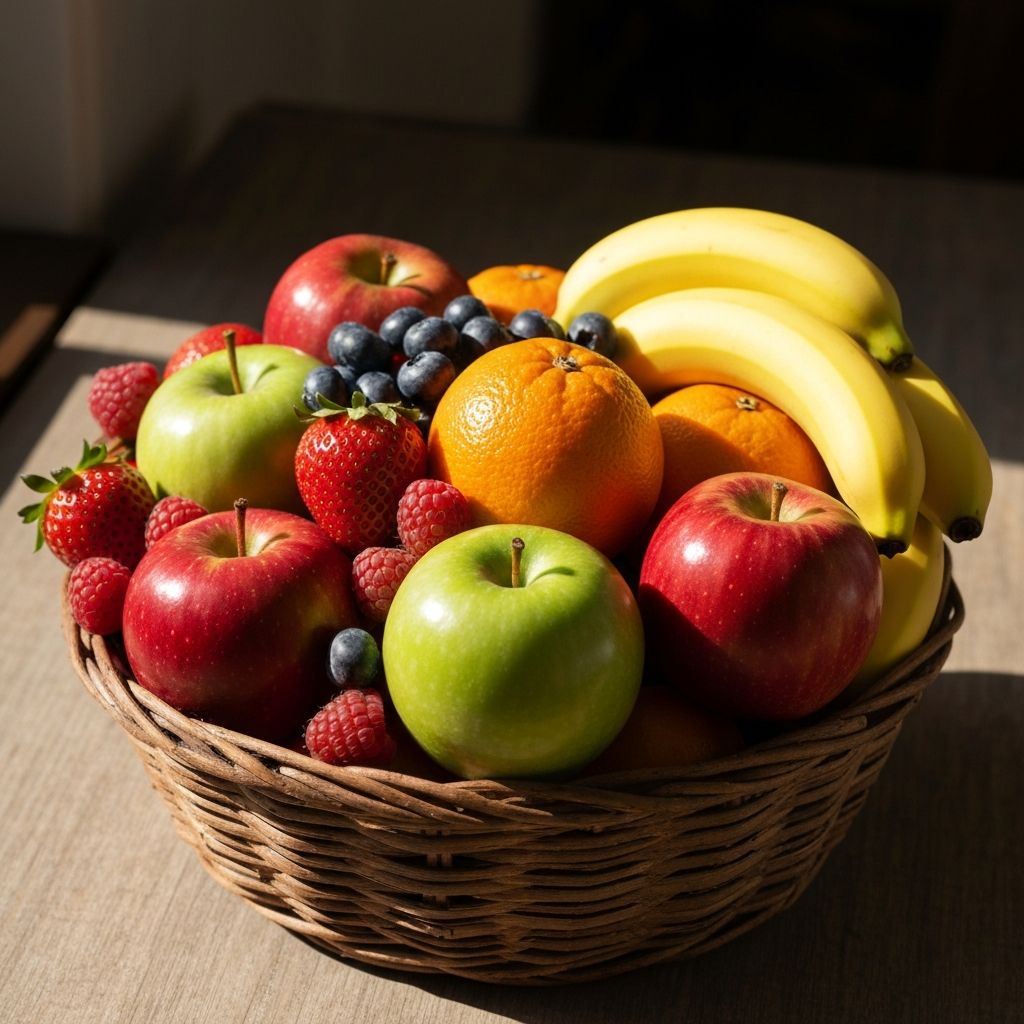
Oranges, lemons, grapefruits, and limes are citrus examples. Tropical fruits include mangoes, pineapples, and papayas.
These fruits are often discussed in the context of vitamin C content and are incorporated into various meal plans and snacking patterns.
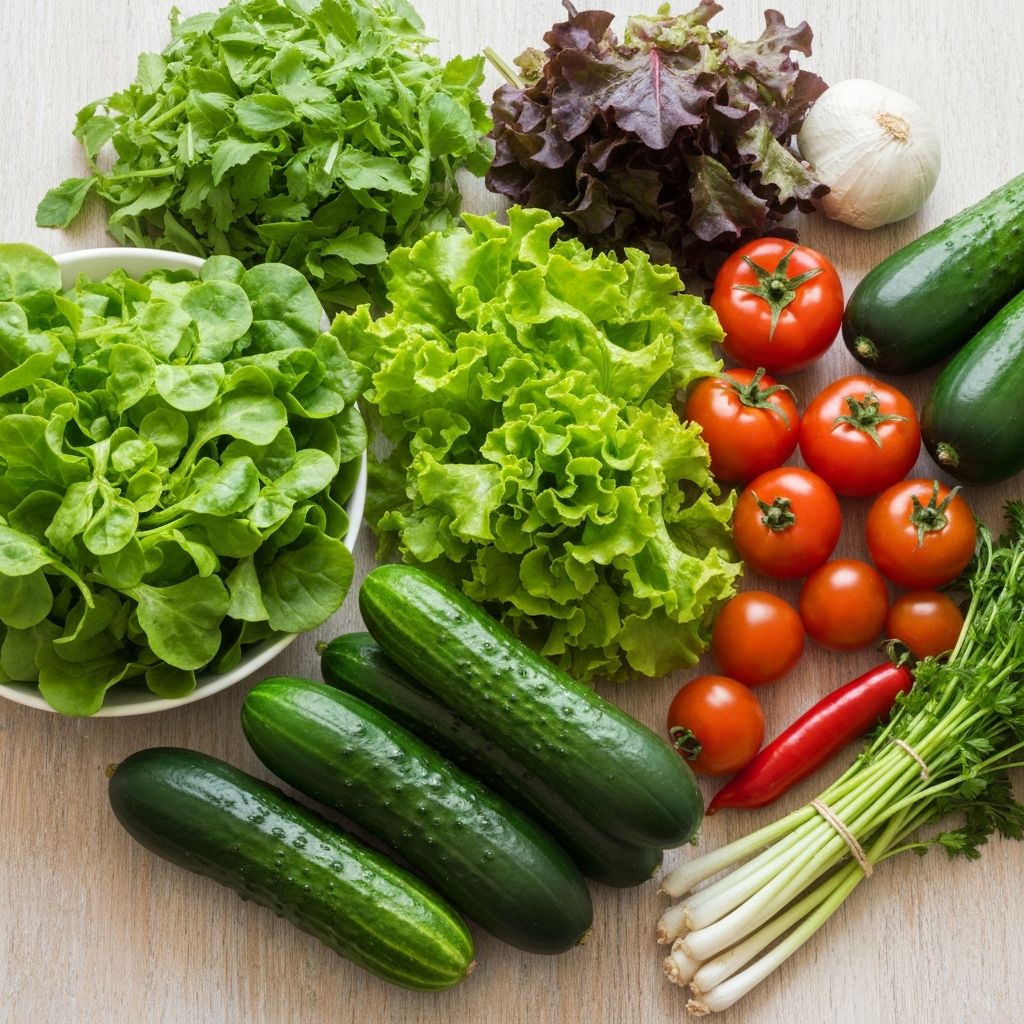
Spinach, kale, arugula, lettuce, and chard are popular choices. They form the basis of many salad preparations and can be added to smoothies, soups, and cooked dishes.
Nutritionists often reference these foods when discussing balanced plate composition.
Traditional culinary ingredients with diverse applications
Basil, parsley, cilantro, mint, rosemary, and thyme are used fresh or dried. They appear in Mediterranean, Asian, Latin American, and other cuisines.
Turmeric, ginger, cinnamon, cumin, black pepper, and cayenne are staples in kitchens worldwide. Each has distinct flavor profiles and culinary uses.
Garlic, onions, leeks, and shallots are foundational ingredients in cooking. They provide flavor bases for numerous dishes and are referenced in various nutritional discussions.
These ingredients have been subjects of culinary and nutritional interest across different cultures. They add variety to food preparation without added sugars or excessive sodium.
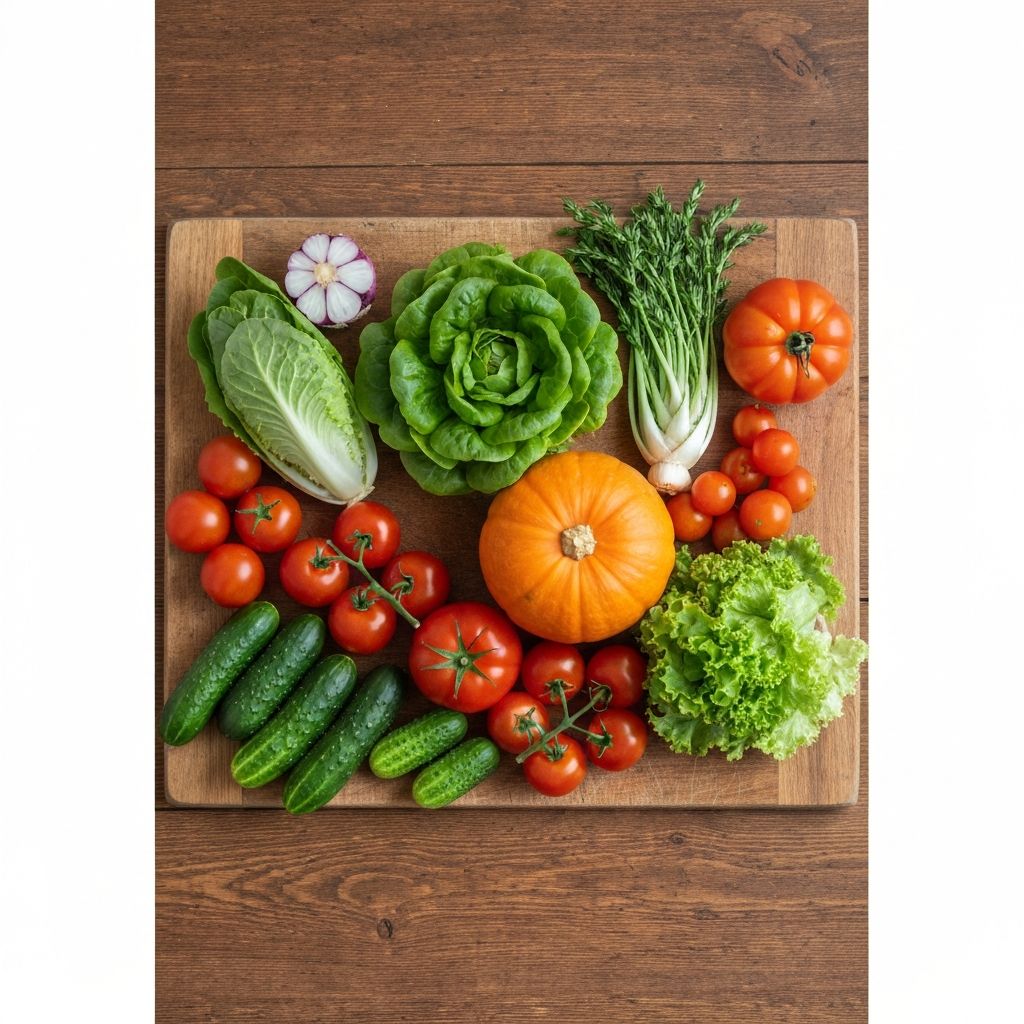
Eating seasonally is a concept that involves choosing produce based on harvest times in your region. This approach connects food choices with agricultural cycles.
Asparagus, peas, radishes, and early greens.
Tomatoes, zucchini, berries, and stone fruits.
Pumpkins, squash, apples, and root vegetables.
Citrus fruits, winter greens, and stored root vegetables.
Seasonal eating patterns vary by geographic location and climate.
Understanding how food components contribute to daily energy
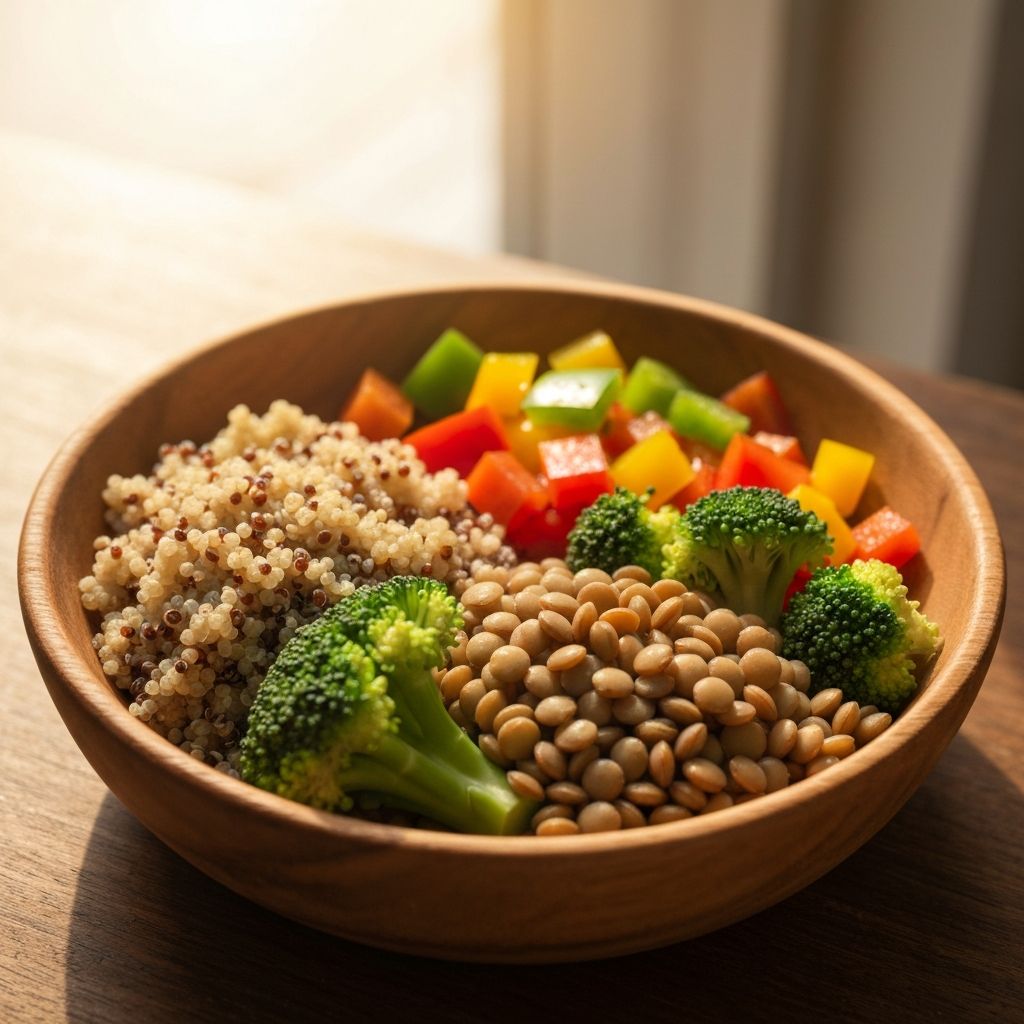
Foods provide energy through carbohydrates, proteins, and fats. Whole foods contain these macronutrients in different proportions.
Whole grains, legumes, nuts, seeds, and vegetables each contribute to overall intake patterns that nutritionists discuss when explaining balanced eating.
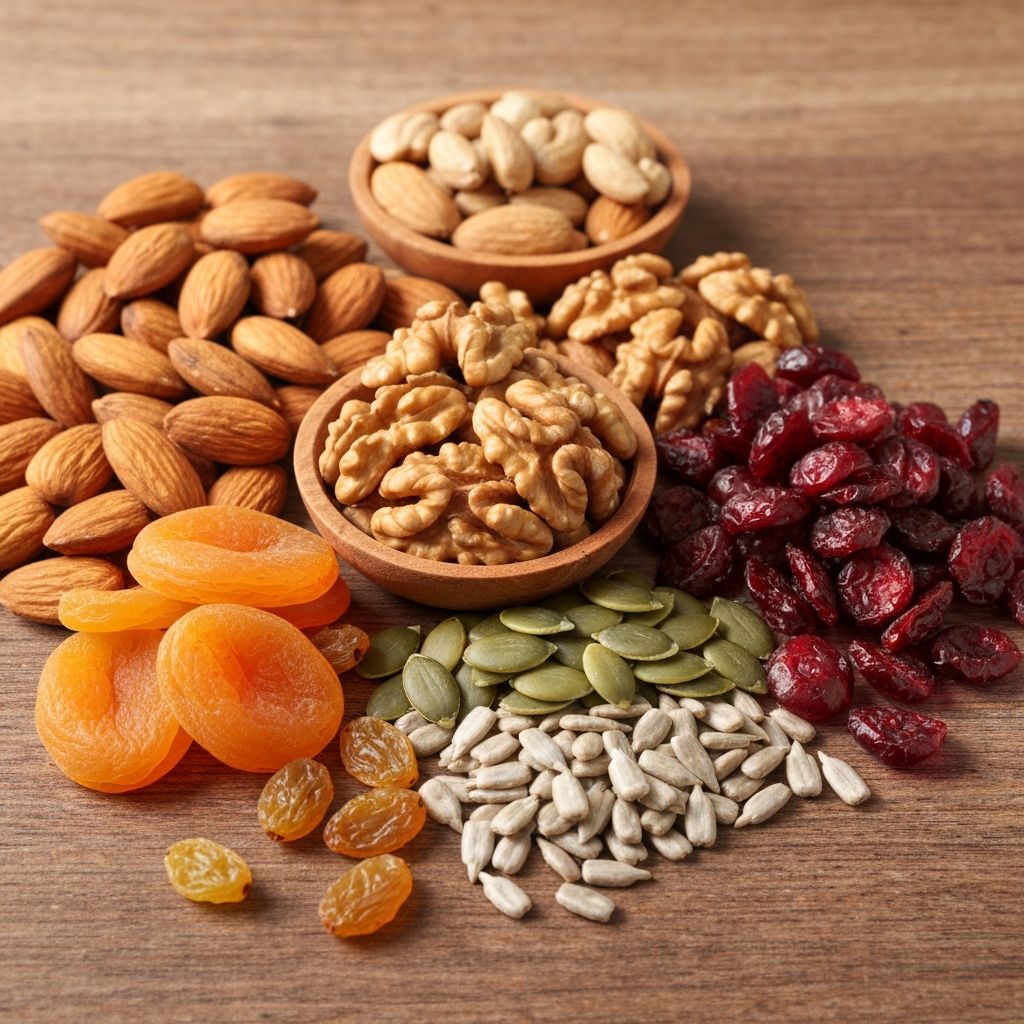
Almonds, walnuts, pumpkin seeds, sunflower seeds, chia seeds, and flaxseeds are examples. They are calorie-dense foods that provide fats and proteins.
These foods are often mentioned in discussions about snacking and meal composition.
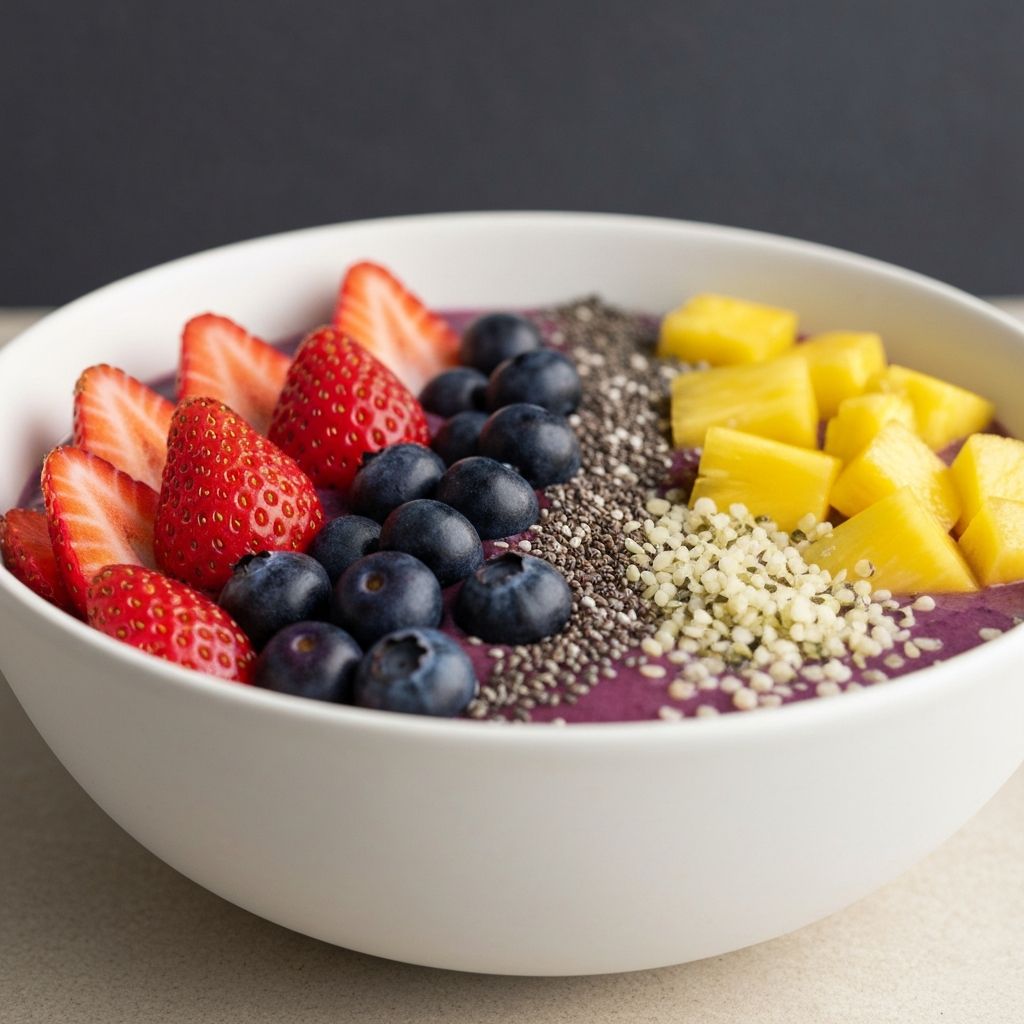
Individuals have different approaches to meal frequency and timing. Some prefer three larger meals, others prefer smaller frequent meals or time-restricted eating windows.
There is no single correct approach, and preferences vary based on lifestyle, schedule, and individual factors.
Current research perspectives on nutrition
Nutritional science is an evolving field. Researchers study how different foods and dietary patterns relate to various aspects of human health.
Scientists continue to investigate how individual genetic variations, lifestyle factors, and environmental conditions influence nutritional needs. Research methods include observational studies, controlled trials, and laboratory analyses.
It is important to note that nutrition science often presents findings as correlations rather than definitive causations, and recommendations evolve as new evidence emerges.
Clarifying common misconceptions about food and nutrition
Context: Carbohydrates are a broad category that includes refined sugars, whole grains, fruits, and vegetables. Different carbohydrate sources have different nutritional profiles.
Context: Cooking can increase the bioavailability of certain nutrients while reducing others. For example, cooking tomatoes increases lycopene availability, while cooking may reduce vitamin C content.
Context: The human liver and kidneys continuously process substances. There is no scientific evidence that specific detox diets are necessary for healthy individuals.
Context: Organic farming addresses pesticide use and farming practices. Nutritional content can vary based on soil quality, harvest time, and storage regardless of organic certification.
Nutrition is complex and individual. What works for one person may not work for another. Information should be evaluated based on credible sources, and personalized guidance comes from qualified professionals.

Wellbeing extends beyond food choices. Various lifestyle factors interact with nutrition.
Movement and exercise are part of overall wellness discussions. Different activities suit different preferences, from walking to structured exercise programs.
Sleep duration and quality are topics of research interest in relation to metabolic function and daily energy levels.
Chronic stress can influence eating patterns and food choices. Awareness practices vary widely among individuals.
Water intake needs vary based on activity level, climate, and individual factors. Both water and foods with high water content contribute to hydration.
Shared meals and food preparation can be social activities. Cultural food traditions often emphasize community aspects of eating.
Examples of foods commonly discussed in nutrition education
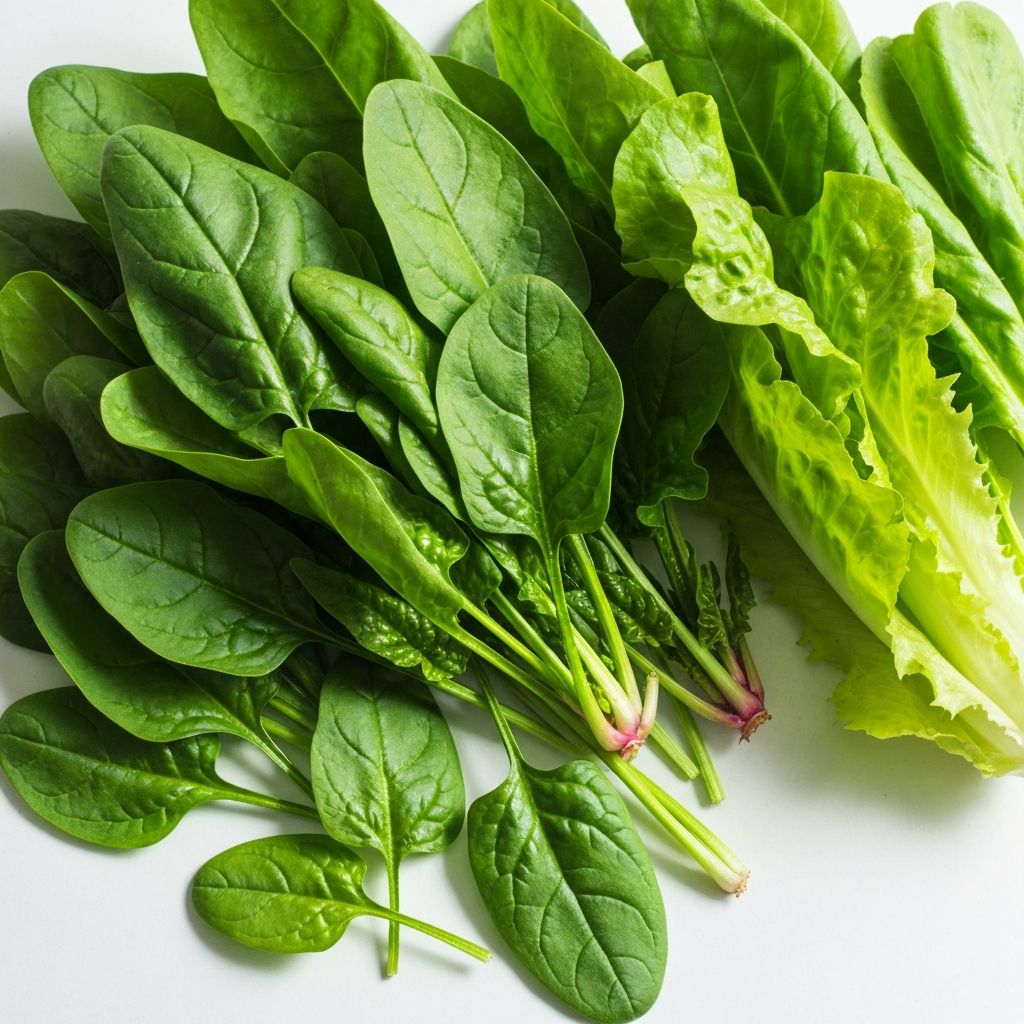
Leafy green vegetable often mentioned in discussions about iron, folate, and vitamin K. Can be consumed raw in salads or cooked in various dishes. Part of many balanced eating patterns.
Learn More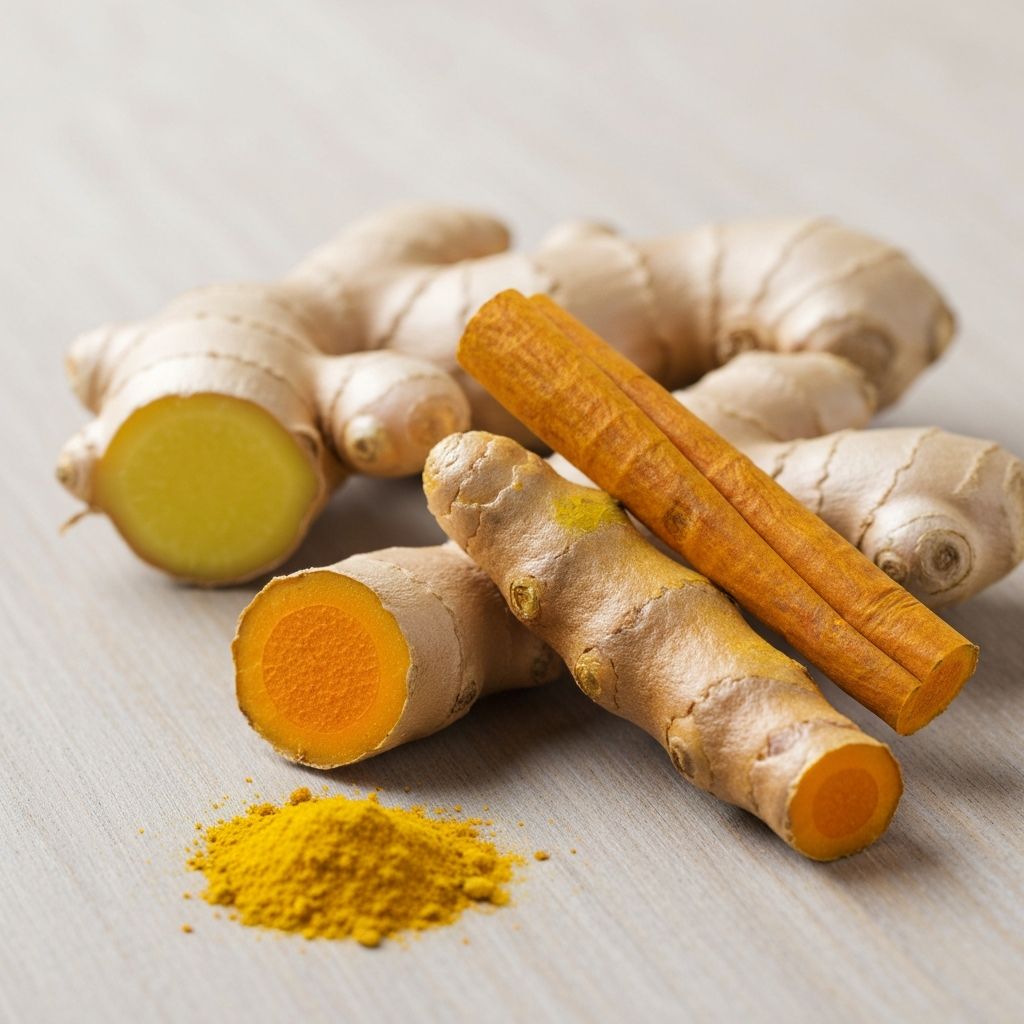
Traditional spices used in many cuisines. Ginger adds warming flavor to dishes and beverages. Turmeric provides distinctive color and is a staple in curry preparations. Both are subjects of ongoing research.
Learn More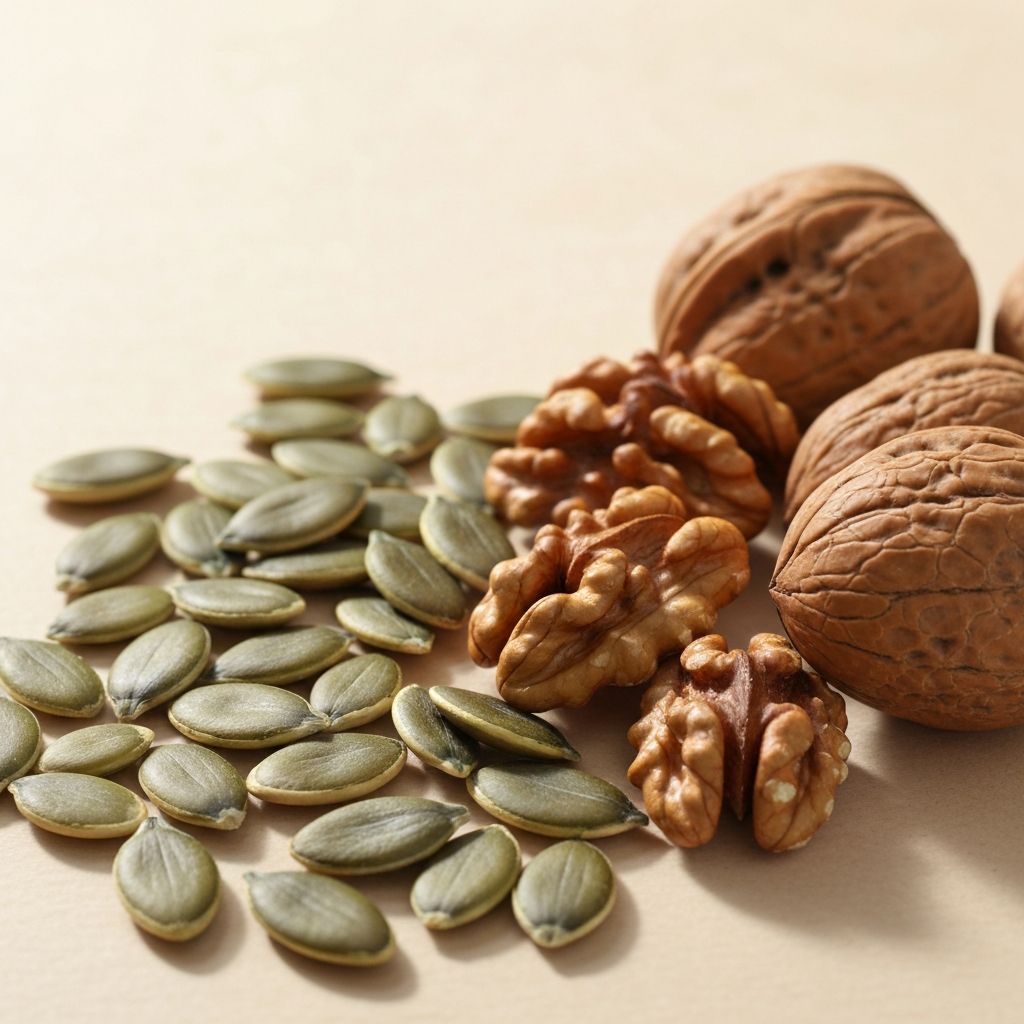
Nutrient-dense foods that provide healthy fats, protein, and minerals. Pumpkin seeds and walnuts are examples often referenced by nutritionists. Can be eaten as snacks or added to meals.
Learn MoreThe information on this page is educational and general in nature. It does not constitute personalized nutrition advice.
Individual nutritional needs vary based on age, activity level, health status, and many other factors. For personalized guidance, consult qualified nutrition professionals.
This content explains concepts and describes foods. It does not advise specific actions or promise specific results.
Understanding where nutritional information comes from
Nutritional knowledge comes from various sources including controlled research studies, epidemiological observations, biochemical analyses, and traditional knowledge systems.
Individual studies have limitations. Sample sizes, study duration, population characteristics, and measurement methods all affect findings. Media headlines may not reflect the nuances of original research.
Credible nutrition information typically comes from peer-reviewed journals, government health agencies, registered dietitians, and established research institutions.
Exploring diverse perspectives on food and wellness
Food knowledge exists within various cultural contexts. Different communities have developed unique relationships with local ingredients, preparation methods, and eating traditions.
Mediterranean, Asian, Latin American, Middle Eastern, and other culinary traditions each emphasize different ingredients and preparation styles. These patterns have evolved over generations based on geography, agriculture, and cultural practices.
Contemporary eating patterns include plant-based diets, Mediterranean-style eating, whole-food approaches, and others. Each emphasizes different aspects of food selection and preparation.
People have different food preferences, tolerances, cultural backgrounds, and lifestyle situations. There is no single optimal diet for everyone. Flexibility and personalization are important considerations.
Nutrition literacy involves understanding food labels, cooking methods, meal planning, and how to evaluate nutrition information. These are practical skills that can be developed over time.
This resource provides general educational information about natural ingredients and balanced nutrition.
Educational content only. No promises of outcomes.
Read Full Article HerboMan